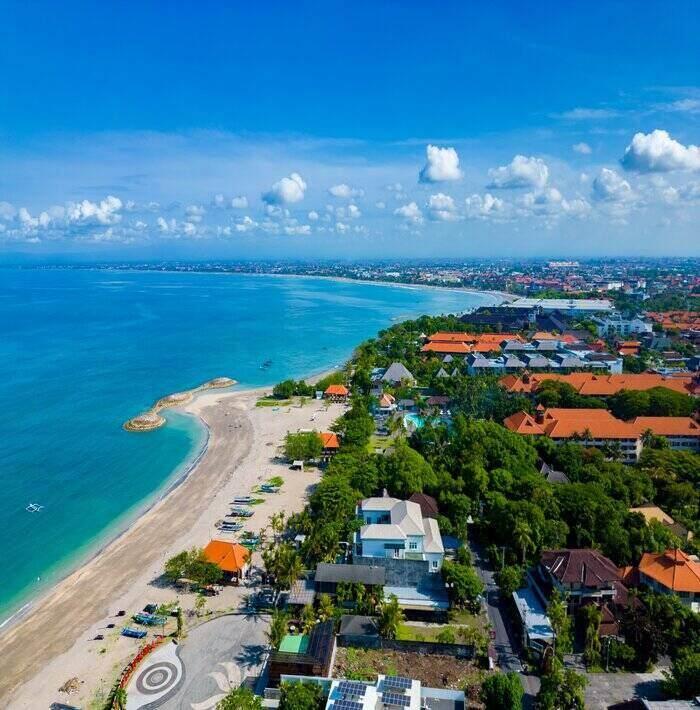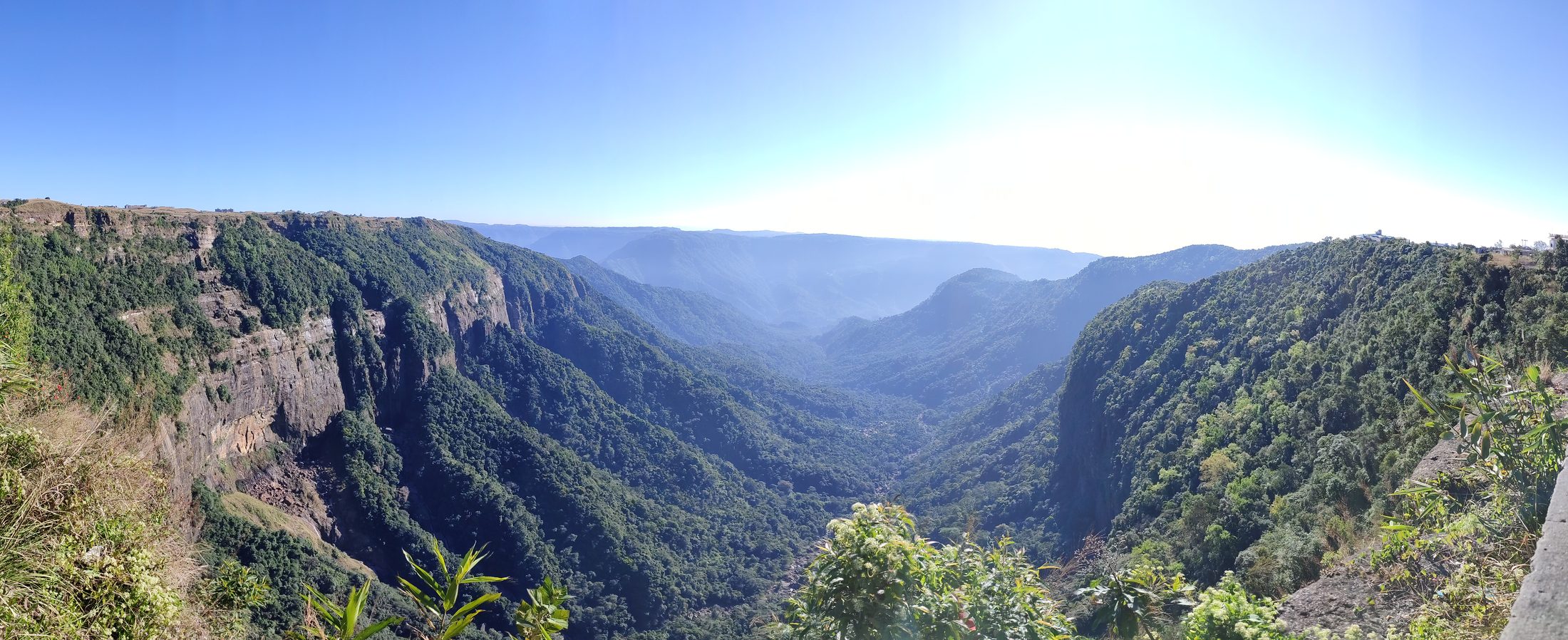
Bali Travel Guide: How to Plan the Perfect Itinerary (With Real Prices)
For a first trip to Bali, six days split between two bases works best: three nights in Ubud for temples and rice terraces, three nights in the south for beaches and clifftop sunsets. Bali's areas are 1–2 hours apart, so trying to day-trip to all of them from one hotel wastes entire days in traffic.
Bali is not one destination — it is four or five, each an hour or two apart, and the single biggest mistake first-time visitors make is booking one hotel in the south and trying to day-trip to all of them. You lose entire days to traffic that way.
This guide lays out how Bali actually splits up, what things really cost, and how to use Advenjo's real traveler itineraries instead of guessing.
How Bali actually splits up
Think of Bali as four bases. Pick one or two, not all four.
| Area | What it's for | Typical stay |
|---|---|---|
| Ubud | Rice terraces, temples, art, jungle | 2–3 nights |
| Canggu | Surf, cafés, digital-nomad energy | 2–3 nights |
| Uluwatu / Bukit | Clifftop temples, dramatic beaches, sunsets | 1–2 nights |
| Kuta / Seminyak | Family resorts, shopping, airport proximity | 1–2 nights |
Nusa Penida — the island responsible for most of Bali's famous cliff photography, including Kelingking Beach — is a boat trip from Sanur, not a place most people base themselves. Treat it as a full day, not a half day.
The practical rule: Ubud plus one coastal base covers a first trip properly. A six-day trip split three nights Ubud, three nights south is close to ideal.
What Bali actually costs
These figures come from Advenjo members' own reviews — each one is a price a traveler recorded on a real trip, not an estimate or a press release.
Temples and attractions
- Sacred Monkey Forest Sanctuary, Ubud — 80,000 IDR (about $5). Open daily 09:00–18:00. Keep bags zipped; the macaques investigate everything.
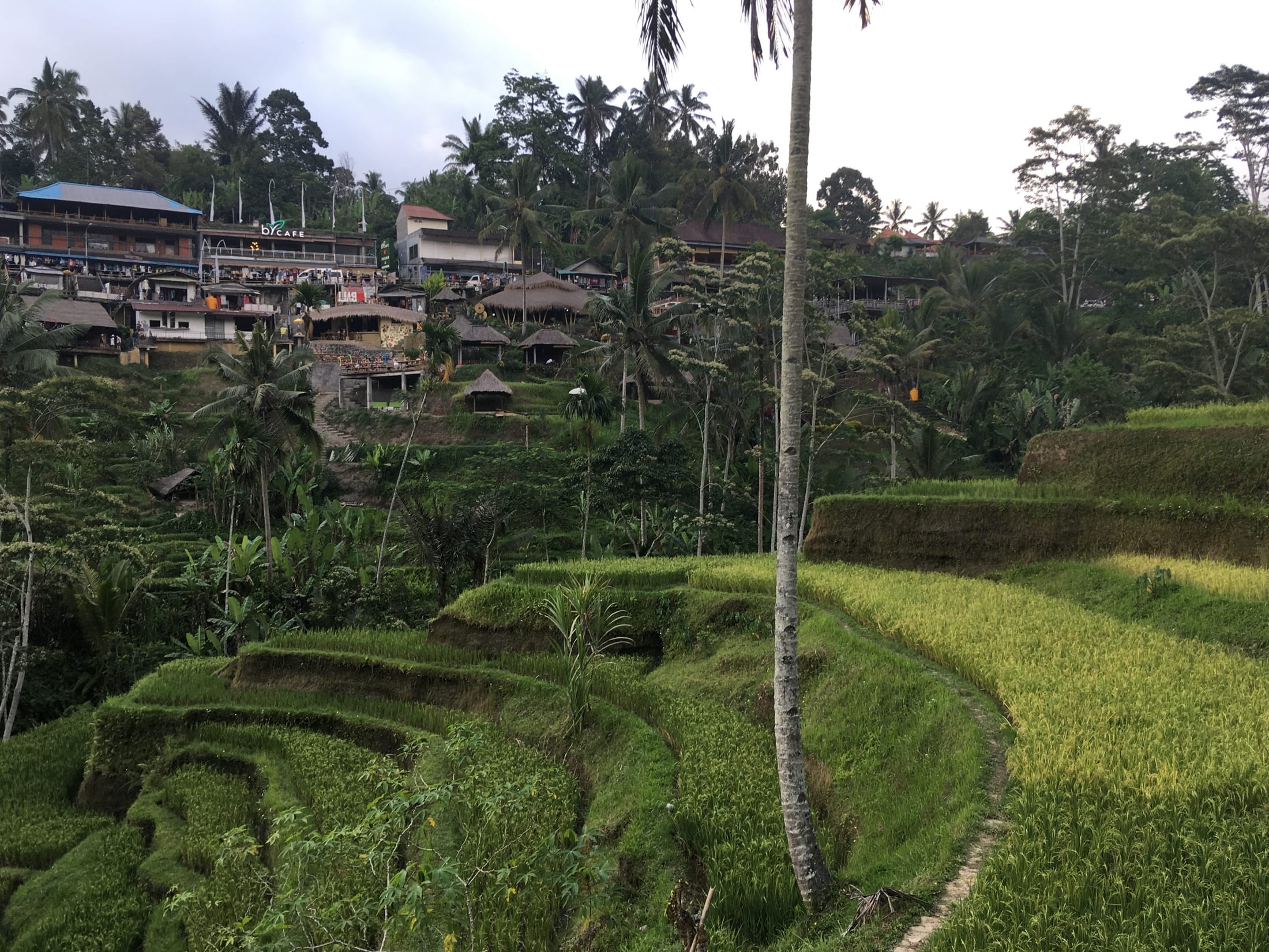
- Tegallalang Rice Terraces — small donations of 15,000–25,000 IDR at each viewpoint rather than one entry fee. Open from 07:00. Arriving early genuinely matters here: one member had the top viewpoint largely to themselves before the tour vans arrived.
- Uluwatu Temple — 50,000 IDR (about $3.20) to enter, with the Kecak fire dance a separate 150,000 IDR ticket at the gate. Temple open 07:00–19:00.
- Tirta Empul — the purification spring temple, open 08:00–18:00. Sarong rental is included in entry.
- Bali Safari & Marine Park — 850,000 IDR (about $55) per adult, cheaper for children. Open 09:00–17:30.
Food
- A plate of babi guling (Balinese suckling pig) at a well-known Ubud warung: around 50,000 IDR (about $3.20).
- A young coconut at a beach warung in Canggu: 20,000–25,000 IDR (about $1.60).
- Jimbaran Bay seafood, picked off the ice and grilled over coconut husks on the sand: priced by weight, roughly 200,000–300,000 IDR per kilo depending on the catch. Ask the price before they grill it.
Where you sleep is the real variable
This is where Bali budgets diverge sharply:
- A simple guesthouse room in Canggu: 250,000 IDR (about $16) a night — no air conditioning unless you pay a little extra.
- A resort room overlooking the gardens in Ubud: around 1,500,000 IDR (about $98) a night, breakfast included.
Both are real rooms real Advenjo members booked on real trips. Bali genuinely accommodates both budgets in the same week.
When to go
April to October is the dry season, and it is the straightforward answer for a first trip. July and August bring the biggest crowds and the highest room rates. Shoulder months — April, May, September, October — are the sweet spot: reliable weather, thinner crowds, softer prices.
The wet season (November to March) does not mean constant rain. It typically means heavy afternoon downpours that clear. It also means lower prices and greener rice terraces. If you are flexible and do not need guaranteed beach weather, it is genuinely underrated.
The one thing most Bali guides get wrong
Most Bali content online is written by people who did not go. It is illustrated with stock photography, the prices are either absent or years out of date, and the itineraries are geographically impossible — three temples, a waterfall, and a sunset beach in one day, across an island where 30 kilometres can take 90 minutes.
Advenjo exists specifically because of that gap.
How Advenjo helps you plan Bali
Every itinerary on Advenjo is a real trip somebody actually took, published day by day, place by place. There is no stock photography anywhere on the platform — if you see a rice terrace, the person who wrote the review was standing in front of it.
Advenjo currently hosts 7 Bali itineraries covering 79 individually reviewed places. Each place carries its own photo, the traveler's honest rating, and — where they recorded it — what they actually paid.
Here is where to start, depending on how long you have:
- The Complete First-Timer's Bali — 6 days, 16 places. Ubud's terraces, Nusa Penida's cliffs, Uluwatu's fire dance, and the quiet warungs in between. The best starting point if this is your first trip.
- Ubud Culture + Nusa Penida Cliffs — 5 days, 12 places. Temples and ridge walks, then a boat across to Bali's most dramatic coastline.
- Bali with Kids: A Family-Friendly Guide — 4 days, 9 places. Written by parents who did it with a toddler: kid-tested pools, the safari park, and beaches that actually work for small children.
- Canggu Surf & Café Weekend (Budget Edition) — 3 days, 9 places. The cheapest way to enjoy Bali well, with every price recorded.
- Uluwatu & South Bali Sunset Escape — 2 days, 6 places. Clifftop temples and sunsets, ideal as an add-on to an Ubud stay.
- Ubud in a Day — 1 day, 3 places. For a layover or a spare day.
Every stop on every one of those itineraries has its own page with the traveler's photo, review, and map pin — so you can check a single temple or warung before committing a day to it.
A realistic first-timer's six days
If you want a starting shape to adapt rather than a rigid plan:
Days 1–3, based in Ubud. Tegallalang and Tirta Empul early on separate mornings, the Monkey Forest and Ubud Palace on foot, the Campuhan Ridge Walk at golden hour, and one full day out to Kintamani and Lake Batur.
Day 4, Nusa Penida. A full day, booked as a day trip from Sanur. It is a long day and the roads on the island are rough — this is the day to accept as a big one rather than trying to squeeze anything else around it.
Days 5–6, based in the south. Uluwatu Temple with the Kecak dance at sunset, a Jimbaran Bay seafood dinner on the sand, and a slow last morning on a beach near your flight.
That is six days that respects the geography instead of fighting it.
The bottom line
Bali rewards planning far more than most destinations, because the distances are deceptive and the island is really several islands' worth of experience in one. Pick two bases, book the dry season if you can, budget generously for the room and modestly for everything else — and follow a route somebody has genuinely walked before you.
Step by step
1.Choose your travel window
Aim for the April–October dry season, and prefer the shoulder months (April, May, September, October) for thinner crowds and lower room rates than the July–August peak.
2.Pick two bases, not four
Choose Ubud plus one coastal area (Canggu, Uluwatu, or Kuta/Seminyak). Bali's regions are 1–2 hours apart, so basing yourself in one place and day-tripping everywhere loses whole days to traffic.
3.Split your nights between them
For a six-day trip, three nights in Ubud and three in the south is a well-balanced split. Book accommodation in each rather than commuting daily from a single hotel.
4.Give Nusa Penida its own full day
Book it as a day trip by boat from Sanur and do not plan anything else around it. The island's roads are rough and the day runs long.
5.Build each day around one area
Group stops that are geographically close on the same day — Tegallalang and Tirta Empul north of Ubud, the Monkey Forest and Ubud Palace on foot in town, Uluwatu and Jimbaran together in the south.
6.Follow a route someone has actually walked
Start from a real Advenjo itinerary rather than a generic list. Each one shows the real order of stops, the traveler's own photos, and what they paid at each place, so you can sanity-check the pacing before you commit.
Frequently asked questions
How many days do you need in Bali?
+
Six days is a comfortable minimum for a first trip: three nights in Ubud for temples and rice terraces, and three nights in the south for beaches and clifftop sunsets. Fewer than four days means spending a disproportionate share of the trip in transit between areas.
What is the best time of year to visit Bali?
+
April to October is the dry season and the safest choice for a first trip. July and August are the busiest and most expensive. The shoulder months — April, May, September and October — offer the best balance of reliable weather, thinner crowds and lower prices.
How much does a day in Bali cost?
+
Excluding accommodation, a modest day is genuinely inexpensive. Advenjo travelers recorded temple entries around 50,000–80,000 IDR ($3–5), an excellent local meal such as babi guling for about 50,000 IDR ($3.20), and a young coconut at a beach warung for 20,000–25,000 IDR. Accommodation is the real variable, ranging from about 250,000 IDR ($16) a night for a simple guesthouse to 1,500,000 IDR ($98) for a resort room.
Should you stay in Ubud or by the beach in Bali?
+
Both, if you have the time. Ubud covers culture, rice terraces and temples; the southern coast covers beaches, surf and sunsets. They are roughly 1–2 hours apart, so splitting your nights between the two is far more efficient than basing yourself in one and day-tripping to the other.
Is Nusa Penida worth visiting on a short Bali trip?
+
Yes, but budget a full day for it rather than half. Nusa Penida is reached by boat from Sanur and its internal roads are rough, so it does not combine well with anything else on the same day. It is where Bali's most dramatic cliff scenery, including Kelingking Beach, actually is.
About Advenjo
Advenjo is a travel platform where every itinerary is a real trip somebody actually took — published day by day, with their own photos, honest reviews, and the prices they really paid. No stock imagery, no fabricated stories.
Browse real itineraries on Advenjo →Plan it on Advenjo
Real itineraries, with the real prices people paid
Every trip on Advenjo is a real journey someone actually took — day by day, place by place, with their own photos and honest reviews.